
 Why Urgent Action is Needed for improvement in girls education in Nigeria. Education is the foundation for national progress, yet millions of Nigerian girls remain excluded from this right. According to UNICEF, Nigeria has one of the highest numbers of out-of-school children in the world, with girls making up the majority. This crisis demands urgent action because when girls are denied education, communities and the nation lose opportunities for growth, innovation, and stability.
Gender Equality Around the World
In recent times, many countries have worked towards achieving gender equality, particularly regarding jobs, economics, and, most importantly, education. Nordic countries, such as Norway and Iceland, according to research, boast the highest percentage of gender equality. However, some countries (like Afghanistan, Mali, Chad, and more) still struggle with this issue, due to numerous factors, and the disparity between boys and girls in turn affects the education each receives.
The Current Situation in Nigeria
Nigeria has, for a long time, struggled to keep young girls in school. In 2021, it was estimated that about 6.34 million girls were out of school. Additionally, more than 50% of girls don’t attend school at even the basic education level. But why is there such a lack of girls’ education in Nigeria? The answer is multifaceted.
The Impact of Child Marriages and Culture
Firstly, child marriages often make it difficult for girls to start and finish their schooling. 64% of all girls are faced with being a child bride, which equates to nearly 22 million girls. Ultimately, child marriages limit what young girls can do, further stunting their growth and their futures.
Secondly, there’s also the factor of tradition and culture. As in rural areas, the patriarchal system decides the roles for men and women, often leaving young girls and women behind. It’s a common belief that women should be in more domestic positions, staying at home and learning household responsibilities. Sons are often encouraged to go to school and given more opportunities to do so.
How Poverty and Violence Play a Factor
Thirdly, there’s also the issue of poverty. According to statistics from UNICEF, only 9% of the poorest girls attend secondary school. School fees may prohibit families from sending their daughters to school, not to mention the potential lack of schools themselves as well as school supplies. In a previous article, we touched more on the general lack of funding for education in Nigeria. The problem here is that the already problematic situation of schooling in Nigeria, coupled with the other barriers girls face, makes it very hard for them to complete their schooling. Another barrier girls face has to do with violence and abductions.
Why urgent need for improvement in girls’ education
Fear is one of the biggest reasons girls are not sent to school by their families. In the past, female students have been kidnapped by terrorist groups like Boko Haram, and those groups have also destroyed many schools. Borno state, for example, has had nearly 500 schools demolished through the years. Many girls also fear walking the long distance to school, afraid of potential harassment and sexual violence.
What is Currently Being Done to Tackle the Issue
Of course, there have been attempts to amend this gap in girls’ education in Nigeria. Notably, the Universal Basic Education Act aims to provide free education to all children. However, there have been issues with properly funding the program and also implementing it. Other hopeful actions include the Child Rights Act, as well as the recent National Policy on Gender in Education.
Why you need to give back for improvement in girls’ education in partnership with Helpers Foundation
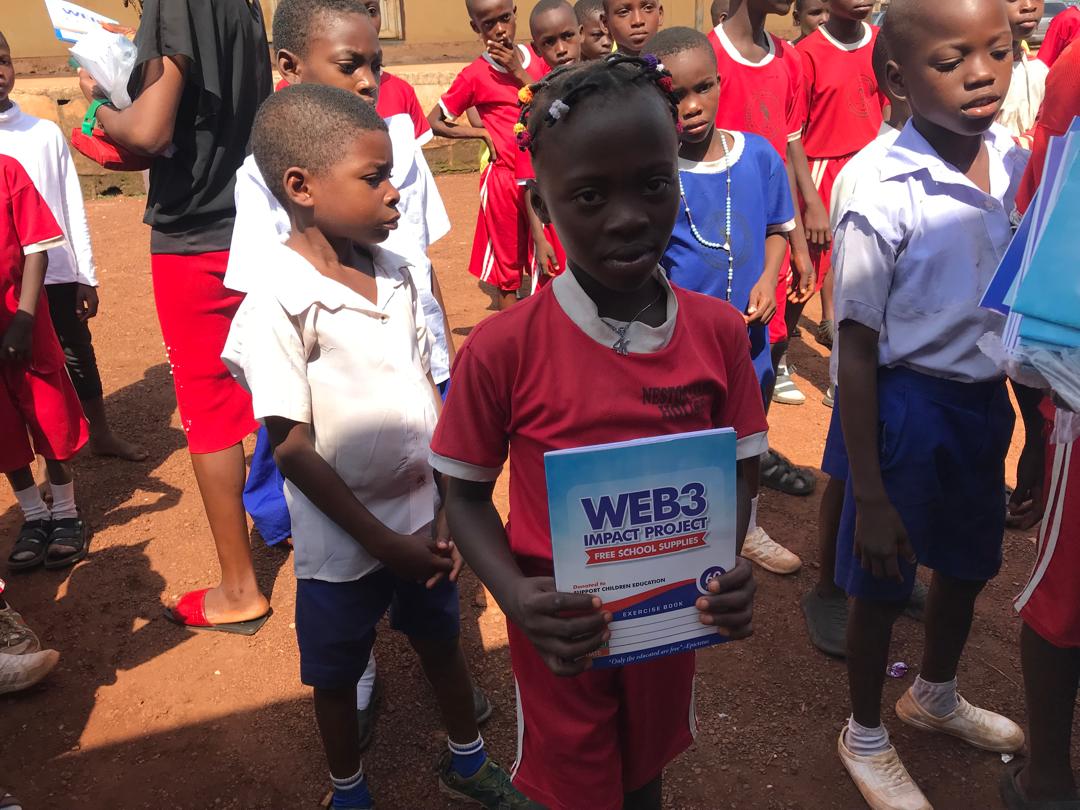
Helpers Social Development Foundation has a strong focus on education for all, and an even stronger belief that young girls should be given the opportunity to pursue safe and quality schooling. At the moment, the foundation is working towards providing young Nigerians with free school and free school supplies. You can help our cause by donating through GlobalGiving, or learn about other ways to give here.
Looking Towards a Brighter Future For Young Girls and Women
The truth is that there are many barriers to achieving an ideal Nigeria where girls’ education is valued and protected. But it’s certainly not impossible, and it’s important to know why this is such a crucial issue and endeavor. Education is a fundamental right; it’s something that should be offered to everyone (including Nigerian girls!). It’s unfair to neglect the fight for girls’ education. Furthermore, there are countless side effects to the lack of schooling for girls. It creates a cycle where nothing changes, the rise in child marriages continues, and so does the gender equality gap.
UNICEF noted that “supporting girls through increased secondary education and skills development is necessary to delay early marriage, childbirth, improve health and empowerment, and drive economic growth”. Girls’ education in Nigeria is a potential drive for change for the entire country, hinting at a future where young girls and women are valued for their minds and their hearts and where they have the opportunity to learn, take action, and improve their nation.
Article reference source on The urgent need for improvement in girls’ education
“10 Toughest Places in the World for Girls to Go to School.” Giving Compass, 15 May 2020, www.givingcompass.org/article/10-toughest-places-in-the-world-for-girls-to-go-to-school
“Gender Equality around the World: Where and When Will It Be Reached?” Kiva,
www.kiva.org/blog/gender-equality-around-the-world-where-and-when-will-it-be-reached. Accessed 28 Aug. 2025.
GenderAdmin. “The Ultimate Guide to Girls’ Education in Nigeria.” Genderpedia.Ng – Making Gender Research Easy, 9 Dec. 2024, genderpedia.ng/the-ultimate-guide-to-girls-education-in-nigeria/.
“June 2022 Education Opportunities for Girls in Nigeria …” UNICEF, 2022, www.unicef.org/nigeria/media/7741/file/UNICEF Nigeria Cheat Sheet – Girls Education.pdf.
Nawrozzada, Selma. “Girls’ Education in Nigeria.” Centre for African Justice, centreforafricanjustice.org/girls-education-in-nigeria/. Accessed 11 Aug. 2025.
Tran, Tran Thi Ngoc, et al. “Education in Emergency in Nigeria: Creating Gender Equitable Policies so All Girls Have an Uninterrupted Right to Learn.” Brookings, 9 Mar. 2022, www.brookings.edu/articles/education-in-emergency-in-nigeria-creating-gender-equitable-policies-so-all-girls-have-an-uninterrupted-right-to-learn/.
“What You Need to Know about the Right to Education.” UNESCO, www.unesco.org/en/articles/what-you-need-know-about-right-education. Accessed 28 Aug. 2025.